Wildlife & Appliances
Keeping Foothills Wildlife Out of Your Appliances
Black bears, pack rats, raccoons and elk all take a toll on mountain kitchens. Here is how to protect your appliances, and how we repair the damage when the animals get to them first.
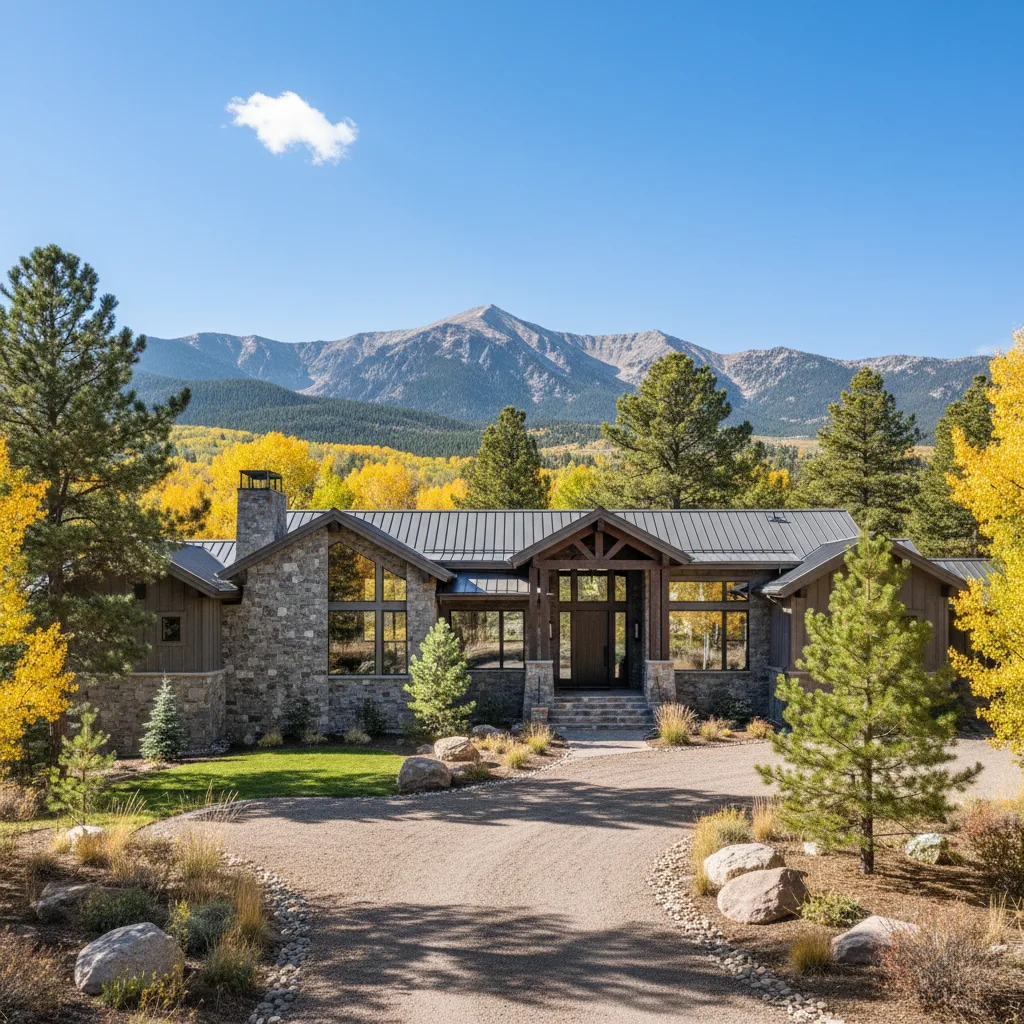
Sharing a Mountain Kitchen with the Wildlife Outside It
In the Colorado foothills the animals were here first, and they take a real, recurring toll on the appliances we are called out to fix.
From Morrison at 5,800 feet up to Conifer at 8,277, homes across our service area back up to national forest, open space and creek corridors where black bears, elk, mule deer, raccoons and a surprising cast of rodents move through year-round. Most of the wildlife damage we see on appliances is not dramatic. It is a pack rat's nest behind a refrigerator, a chewed harness on an outdoor grill, a raccoon that pried the door off a garage freezer. But it is common enough that on plenty of mountain service calls the real culprit is not the altitude or the water. It is an animal.
This guide covers the wildlife that most often reaches appliances up here, how to keep them out, and what to do when the damage is already done. None of it involves trapping or harming the animals. The goal is to make your equipment and its surroundings uninteresting and inaccessible, and then to repair the specific failures wildlife tends to cause: gnawed wiring, fouled condensers, and outdoor units that have taken a beating.
The Usual Suspects
Four kinds of animal account for nearly all the wildlife-related repairs we make in the foothills.
Black Bears
Bears follow their noses to food, and an outdoor kitchen, a garage refrigerator or a chest freezer full of game and groceries is a beacon. A determined bear will peel a door, crush a condenser, or tear the housing off a built-in grill. Keep outdoor and garage appliances behind a closed, latched door, and never store scented food in an unsecured outbuilding fridge.
Rodents & Pack Rats
Mice, voles and bushy-tailed woodrats, the local 'pack rats', are the number-one wildlife threat to appliance wiring. They nest in the warm cavity behind a refrigerator or under a range and gnaw the insulation off low-voltage harnesses, disabling control boards, defrost circuits and ignition systems. Their nests also choke off condenser airflow.
Raccoons
Clever and dexterous, raccoons work latches, pry seals and climb into garages and crawlspaces. They are drawn to outdoor refrigerators, undercounter units and beverage coolers, where they foul the interior and wreck door gaskets and hinges getting in and out. A raccoon in a wall or crawlspace can also crush ductwork and wiring on its way through.
Deer & Elk
Deer and elk rarely reach into a machine, but they do the collateral damage: knocking over outdoor kitchen components, snapping the gas and water lines to exterior appliances, and trampling ground-level condenser units on refrigeration and ice machines. Herds moving through in fall and winter are heavy and unbothered by patio furniture.
Chewed Wiring Is the Repair We See Most
Of every wildlife problem that lands on our schedule, rodent-chewed wiring is far and away the most common, and the most misdiagnosed. A refrigerator that will not cool, an oven that will not ignite, a dishwasher gone completely dead: the owner assumes a failed board or a dead compressor, when the actual fault is a few inches of harness a woodrat stripped bare to line its nest. The warm, sheltered space behind and beneath major appliances is prime rodent real estate, and the low-voltage wiring back there is soft, chewable, and exactly the diameter they like.
When we pull an appliance for a no-power or intermittent fault in the foothills, checking for gnaw damage and nesting is part of the diagnosis, not an afterthought. We repair or replace the damaged harness with OEM connectors, clear the nest, vacuum the fouled condenser, and point out the gap the animal used to get in. Fixing the wire without closing the entry point just guarantees a repeat visit, so we treat exclusion as part of the repair.
A Foothills Wildlife Calendar
Wildlife pressure on your appliances rises and falls with the seasons. Here is when to be most watchful.
- Spring (March to May): Black bears emerge from their dens hungry and food-focused; secure outdoor and garage refrigeration before they start roaming.
- Early summer (June to July): Rodents breed and nest; check behind refrigerators and under ranges for early nesting before it reaches the wiring.
- Late summer (August to September): Bears enter hyperphagia, feeding around the clock ahead of winter, the peak season for break-ins to outdoor kitchens and second fridges.
- Fall (October to November): Elk and deer herds move to lower ground and the rut makes bulls bold; protect ground-level condenser units and exterior appliance lines.
- Early winter (December): Mice and pack rats move indoors and into warm appliance cavities as temperatures drop, the start of chewed-wiring season.
- Deep winter (January to February): Rodents are fully established in warm equipment spaces; a mid-winter no-power fault is very often a chewed harness.
Already Have Wildlife Damage? We Can Fix It
We repair the appliance failures wildlife causes across Evergreen, Conifer, Genesee, Bailey, Idaho Springs, Indian Hills, Kittredge and Morrison: chewed and shorted wiring harnesses, disabled control boards, fouled and blocked condensers, and outdoor and garage units damaged by bears, raccoons or deer. Every repair uses OEM and genuine manufacturer parts, and we close the entry point so the same problem does not simply come back.
Each visit begins with a flat $89 diagnostic that we credit toward the repair when you approve it, and we quote repairs starting from an honest figure, though the final price is only set once we have seen the damage in person, since a single chewed wire and a crushed sealed system are very different jobs. Our phone is answered 24 hours a day at (720) 790-9436, repair visits run daily from 8:00 AM to 6:00 PM, and you can book online at https://nexfield.pro/crm/book?u=33.
Quick Answers
What appliance damage do mountain animals cause in Colorado?
The most common is rodent-chewed wiring behind refrigerators and ranges, which disables control boards, defrost circuits and ignition. Bears break into outdoor and garage refrigeration, raccoons foul and damage outdoor units, and deer and elk knock over ground-level condensers and appliance lines. All of it is repairable with OEM parts.
Who repairs rodent-chewed appliance wiring near Evergreen, CO?
Evergreen Viking Repair services chewed harnesses, shorted boards and rodent-fouled condensers throughout the foothills, from Morrison and Evergreen up to Conifer and Bailey. We repair with genuine parts and help you close the entry point. Call (720) 790-9436 any hour; repair visits run daily 8 AM to 6 PM.
How do I keep bears out of my outdoor refrigerator?
Store outdoor and garage refrigeration behind a solid, latched door, keep scented food out of unsecured outbuilding units, and clean up spills and drips that carry odor. Bears follow their nose, so the goal is to remove both the attractant and the access. If a bear has already damaged a unit, we can assess and repair it.
Frequently Asked Questions
My fridge quit with no warning. Could an animal be the cause?
How do I know if rodents are behind my appliances?
Do you also trap or remove the wildlife?
Can indoor appliances get wildlife damage, or just outdoor ones?
Is Evergreen Viking Repair affiliated with Viking or another appliance brand?
Ready for Mountain-Grade Service?
Expert Viking repair, built for altitude. Our mountain-area specialists are available for same-day service across Evergreen, Conifer, and the foothills.